

Free Online Learning Disability Tests for Kids
Our free tests screen for possible risk of dyslexia, dysgraphia, and other learning difficulties. You'll receive instant, research-based results that can help you understand areas of concern.
How Common Are Learning Disabilities?
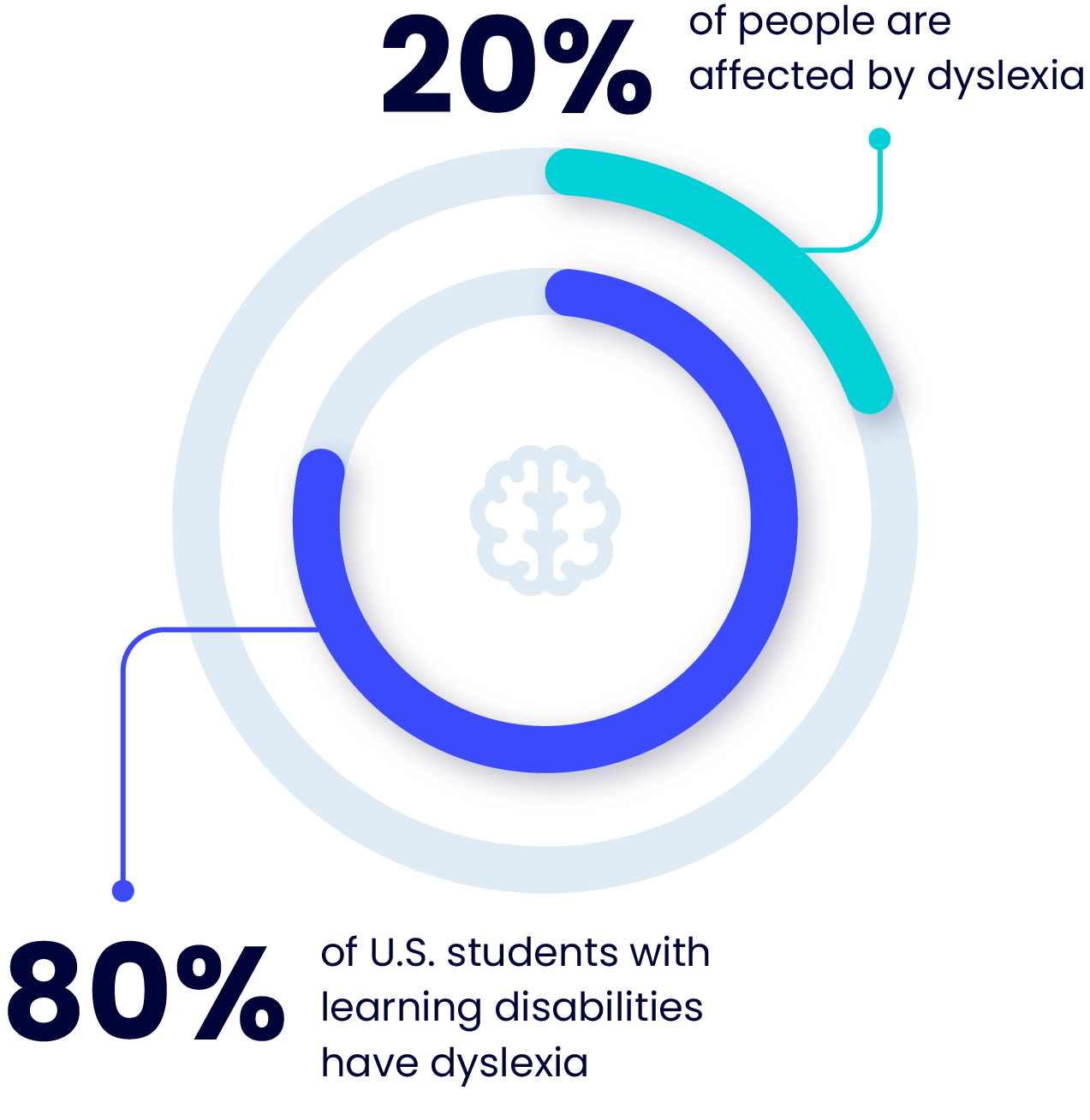
Specific learning disabilities, including dyslexia, are the most common disability category among U.S. students receiving special education services. In the 2023–24 school year, about 7.9 million students received these services, and roughly 1 in 3 qualified because of a specific learning disability. About 80% of children with learning disabilities struggle most with reading.
Many children struggle without a formal diagnosis. The International Dyslexia Association estimates that 15–20% of people have some symptoms of dyslexia. If your child is struggling with reading, they're not alone, and it's not their fault or yours.
Find the Right Learning Disability Test for Your Child
Does your child struggle with...
Reading, writing, or spelling
Dyslexia Test
This test helps you determine whether dyslexia is a likely cause of your child's difficulties reading, writing, or spelling.
5-10 minutes
Handwriting/letter formation
Dysgraphia Test
This test helps you determine whether your child is at risk for dysgraphia by rating their handwriting in several areas.
5-10 minutes
Learning in general
Learning Disability Test for DLD
This test helps you determine whether your child is at risk for a learning disability and whether further testing is warranted.
5 minutes
Understanding what they hear
Listening Comprehension Test
This test helps you determine whether your child is at risk for a listening comprehension problem, which is a difficulty understanding spoken language.
5 minutes
Understanding what they read
Reading Comprehension Test
This test helps you determine whether your child is at risk for reading comprehension difficulties by rating how well they understand both spoken and written language.
5-10 minutes
Emotions and behavior
Emotional and Behavioral Test
This test helps you determine whether your child is at risk for an emotional or behavioral problem that is interfering with academic success or literacy development.
3 minutes
Are You a Teacher or Administrator?
State law in Mississippi requires dyslexia screening at all elementary schools for kindergarten and first-grade students. To help school staff with this task, Lexercise provides a free online dyslexia screening tool—built specifically to comply with the law's guidelines.
What Happens After Your Child's Learning Disability Test?
A free screener is a first step, not the finish line. If your results point to possible risk, here's how Lexercise helps you move from questions to answers.
Review Your Results
Get instant results highlighting areas that may need a closer look.
Talk With a Specialist
Schedule a free, no-obligation consultation to discuss your results.
Explore Assessment Options
Our Reading & Spelling Inventory reviews your child's reading and spelling skills, while our full language and literacy evaluation provides a diagnosis, a personalized treatment plan, and school recommendations.
Start the Right Support
Explore online Basic Therapy and Professional Therapy, both rooted in structured literacy and the Orton-Gillingham approach.
Learning Disability Testing FAQs
No. Our free tests are screeners. They show whether your child may be at risk for a learning disability. Only a qualified professional can confirm a diagnosis with a full learning disability evaluation. A screener is designed to flag possible concerns quickly.
If your child's results suggest risk, a Language Literacy Evaluation can formally diagnose whether dyslexia or another language-based learning disability is present.
If you're not looking for a formal diagnosis but want a clearer picture of your child's reading, writing, and spelling skills, we recommend our popular Reading and Spelling Inventory.
Watch for ongoing trouble with reading, spelling, writing, or understanding language that doesn't improve with good teaching. A free screener can show if more testing makes sense.
Learning disabilities aren't caused by laziness or a lack of effort. They're neurological differences in how the brain processes language and usually respond well to the right kind of support.Most families start with a free online screener. If it shows risk, a full evaluation by a qualified professional looks at reading, spelling, and language skills to confirm a diagnosis.Testing for learning disabilities usually starts at home with a quick screener. A specialist only needs to get involved if the results point to possible risk.
In most cases, yes. “Specific learning disorder” is the clinical diagnosis term, while “learning disability” is the term most schools use. Both describe similar challenges.
It depends on the test. The Dyslexia Test asks your child to read words aloud, so they need to be with you. Most other tests are questionnaires you can complete on your own.
Yes. Every parent screener on this page is free to take, and you’ll see your child’s results right away.
Resources for Parents
Explore the latest tips, research, and insights on our blog.
 March 10, 2026
Dyslexia and Dysgraphia: Same or Different?
Dyslexia and dysgraphia are two distinct learning challenges, though they often get confused. Dyslexia primarily affects reading skills, making it difficult to decode words and understand written text. In contrast, dysgraphia impacts writing abilities, leading to difficulties with handwriting, spelling…
 October 16, 2025
Unpacking Dyslexia: Are There Really Different “Types” and What Does It All Mean?
Think of dyslexia as a spectrum, with individuals experiencing a unique combination of challenges. These challenges often stem from a core difficulty with phonological processing – the ability to hear, identify, and manipulate the individual sounds…
 March 17, 2023
20 Common Dyslexia Symptoms: Symptoms of Dyslexia in Kids
Are you wondering about the most common dyslexia symptoms? Children can begin to show signs of dyslexia as early as the preschool years. While every person with dyslexia is unique, there are common symptoms that can serve as red flags...
 October 2, 2025
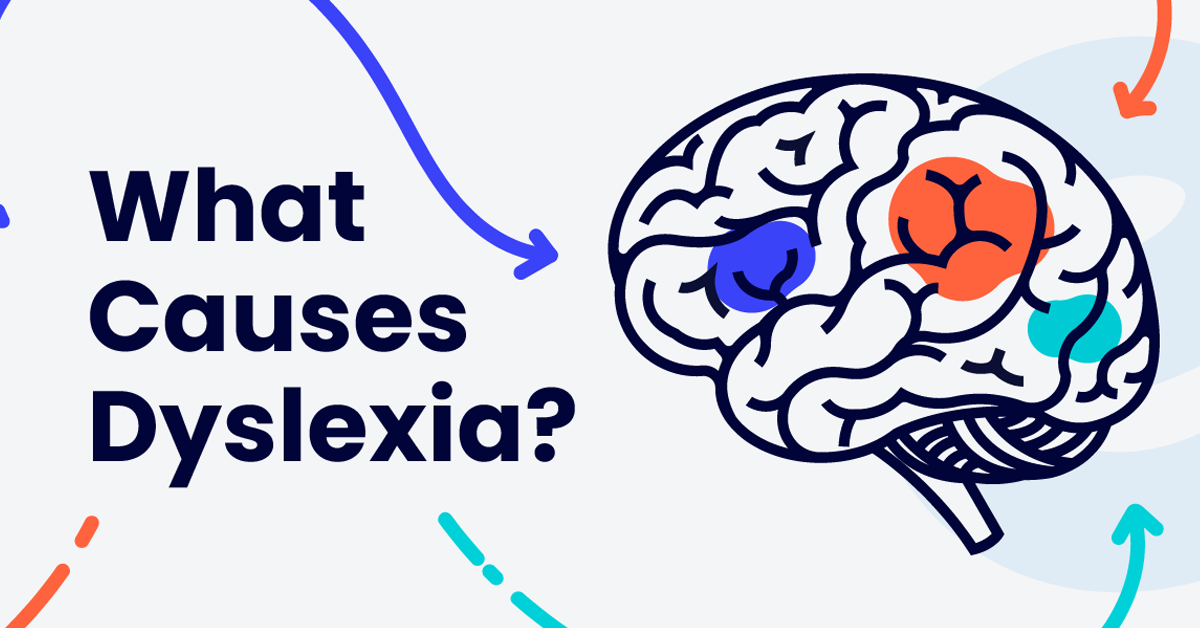
What Causes Dyslexia?
The first sentence of the International Dyslexia Association definition of dyslexia states that dyslexia is “a specific learning disability that is neurobiological in origin….” You can read the IDA’s complete definition of dyslexia on their website...
 November 11th, 2025
DLD and Dyslexia: Navigating Dual Challenges in Learning
Modern life is constantly bombarding us with information. Our ability to process this barrage of information impacts not only education and job success but even our safety, health, and overall well-being. Today's communication challenges are especially daunting for someone with a language processing disorder, like developmental...
October 16, 2025
Unpacking Dyslexia: Are There Really Different “Types” and What Does It All Mean?
Think of dyslexia as a spectrum, with individuals experiencing a unique combination of challenges. These challenges often stem from a core difficulty with phonological processing – the ability to hear, identify, and manipulate the individual sounds…
 June 24, 2026
5 Reasons Why Good Grades Don't Rule Out Dyslexia
Many children with dyslexia earn passing or even strong grades, which is one of the most common reasons dyslexia goes undetected for years. Since children with dyslexia are often bright, resourceful, and highly motivated, they tend to compensate for their reading and writing difficulties in ways that...
March 10, 2026
Dyslexia and Dysgraphia: Same or Different?
Dyslexia and dysgraphia are two distinct learning challenges, though they often get confused. Dyslexia primarily affects reading skills, making it difficult to decode words and understand written text. In contrast, dysgraphia impacts writing abilities, leading to difficulties with handwriting, spelling…
 March 14, 2026
Causes of Reading and Spelling Problems and The Solutions!
What can neuroscience tell us about dyslexia and other language-processing difficulties? How do differences in the brain's wiring help explain the best approach to helping struggling readers, writers, and spellers? This article answers those questions and more.
March 17, 2023
20 Common Dyslexia Symptoms: Symptoms of Dyslexia in Kids
Are you wondering about the most common dyslexia symptoms? Children can begin to show signs of dyslexia as early as the preschool years. While every person with dyslexia is unique, there are common symptoms that can serve as red flags...