

Powerful Reading Intervention. No Specialists, No Delays.
Existing staff can launch Lexercise in 1 to 2 days, no literacy expertise required. Backed by 18 years of proven structured literacy results, Lexercise gets struggling readers reading fast.
What is Lexercise?
Lexercise is the modern way to deliver structured literacy—faster, easier, and built for the realities schools face today.
Grounded in decades of research and the Science of Reading, it combines expert-designed instruction, engaging digital practice, and built-in progress tracking—so schools can help more students succeed, without burdening teachers.
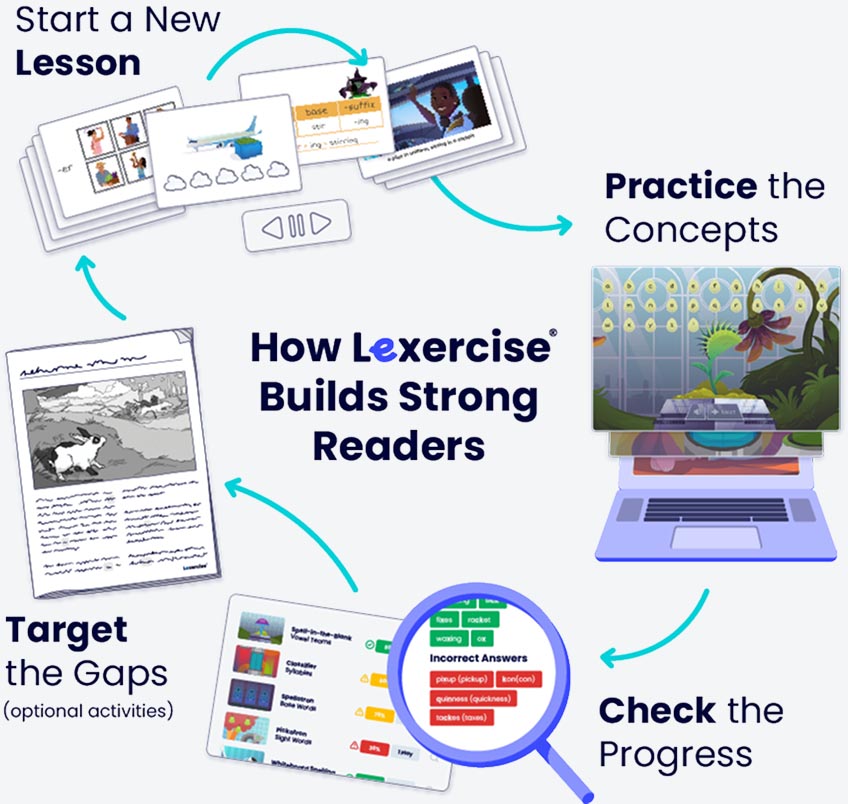

Digital, Interactive Learning
Expert-designed, structured literacy lessons delivered through engaging, online content and interactive practice.

Fast Start, Using Your Current Team
1–2 hour onboarding, no specialist certification needed—just real literacy support your current team can deliver.

Smart Progress Tracking
Built-in assessments and reporting tools help you monitor growth and support students faster.
3x lower
total cost vs. other providers
1-2 days
from program purchase to student learning
90% less
onboarding time than traditional programs
40 students
per teacher (vs.15 for traditional literacy programs)

Simple to Start, Scalable to Use
Schools can get up and running in days—no delays, no heavy training, no specialist staffing required.
1
Onboard Teachers Quickly
1-2 hour training
No certifications or special expertise required. Teachers and aides can start delivering structured literacy intervention right away.
2
Add Students
Instantly start students online
Students can be added instantly after setup, so schools can start intervention within days—no delays or complications.
3
Deliver Lessons
Teachers or aides guide small groups
Pre-recorded lessons make it easy for teachers or aides to guide small groups. No deep literacy expertise needed. Instruction adapts to student progress.
Why Schools Switch to Lexercise
Simpler setup. Broader staffing. Stronger progress. Here’s how Lexercise compares where it matters most:
Implementation & Training
Specialists Required
Proven Student Progress
Implementation & Training
- Start in days, no training bottlenecks
Specialists Required
- Paraprofessionals or gen ed staff can use it
- 1–2 hours of onboarding
Proven Student Progress
- Research-backed structured literacy
- Adaptive, online content for struggling readers
Implementation & Training
- Start in weeks, or months
Specialists Required
- Certified specialists required
- Extensive (multi-day) training
Proven Student Progress
- Traditional programs may lack flexibility
- Progress varies by implementation quality
Why Our Pricing Makes More Sense
Lexercise is just $255 per seat per year*—truly all-inclusive. Here’s a side-by-side cost analysis comparing us to the hidden fees in most intervention programs.
Cost Category
Teacher Training
Materials / Teacher Kits
Sub Coverage / Turnover
Licensing
Lexercise
Teacher Training
$0
Materials / Teacher Kits
$0
Sub Coverage / Turnover
$0
Licensing
$255 per seat*
Traditional Programs (cost per teacher)
Teacher Training
$600 - $2,500+
Materials / Teacher Kits
$1,000 - $3,000+
Sub Coverage / Turnover
$5,000 - $15,000+
Licensing
$0
*10-seat minimum requirement for sign-up.
Ready to reach more students with less overhead?
Lexercise for Your School
Lexercise for SchoolsTM supports a wide range of educational settings.
Our research-backed, digitally delivered platform adapts to your staffing and budget needs, helping schools deliver structured literacy without the delays or barriers of traditional programs. Plus, Lexercise for Schools users get our Science of Reading teacher course at no additional cost.

Public Schools
Meet mandates, close gaps, and support more students—without extra staffing.
Private Schools
Strengthen your academic mission with effective, flexible reading support for every learner.
Schools Serving Homeschooled Students
Rural Districts
Under-Resourced Public Schools
While we support all school types, these are just a few examples of settings where Lexercise meets distinct challenges.
Lexercise for You
From staffing limitations to classroom demands, we built Lexercise for Schools to align with your goals, your team, and your students. Best of all, it helps struggling readers succeed—driving stronger outcomes, improved scores, and school-wide gains.

Administrators
Sustainable literacy results—no extra staff, no program fatigue.
Lexercise delivers research-backed structured literacy using the staff you already have—no specialists or extra PD required. With no materials or hidden costs, it’s easy to launch, simple to budget, and built to deliver results without the usual barriers.

Teachers
High-impact instruction, built to fit your day.
Lexercise provides expert-led, ready-to-use lessons grounded in the Science of Reading—so you can focus on students, not prep. Training takes just 1–2 hours, and the program walks you through it. Whether you're in general ed, special ed, or intervention, it fits your routine without adding to your load.

Support Staff
Step-by-step support so you can deliver real results.
Lexercise enables paraprofessionals, aides, and even parents to deliver proven reading intervention with confidence. Lessons are guided and easy to follow, with training that takes just 1–2 hours. No specialist certification needed—we’ll support you every step of the way.
Learn More
Get a guided walk-through of Lexercise for Schools and see how it can fit your students, staff, and budget—no pressure, no commitment. Join the schools that are delivering structured literacy without the delays, costs, or constraints of traditional programs.
Request a Demo
* indicates required fields

Resources for Teachers
Explore the latest tips, research, and insights on our blog.
 March 10, 2026
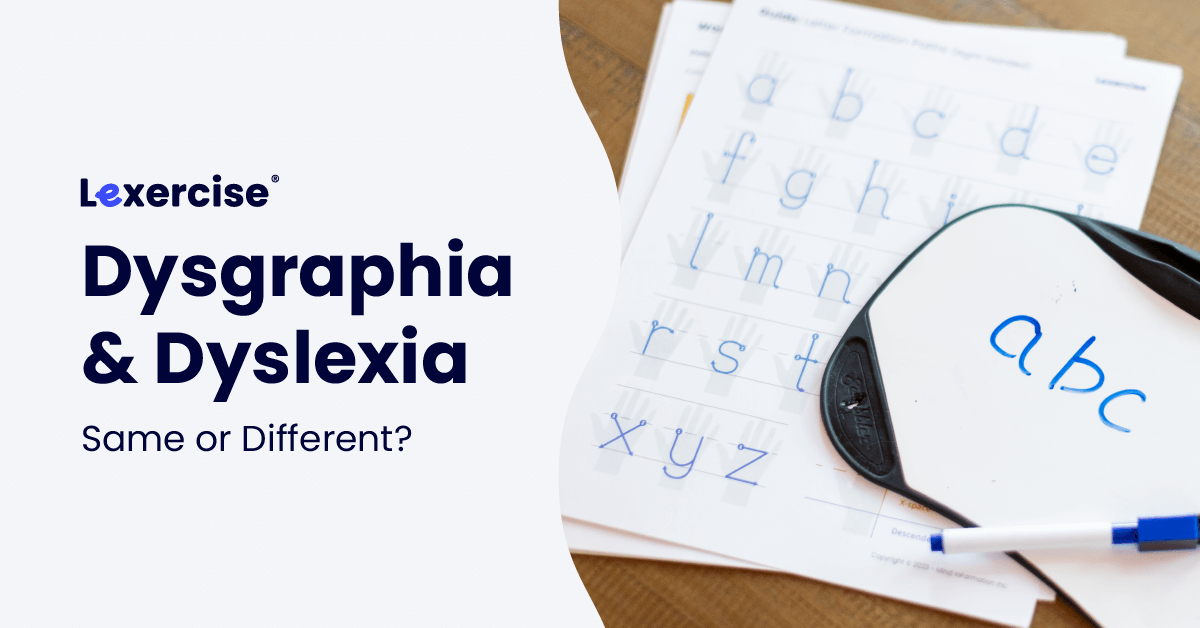
Dyslexia and Dysgraphia: Same or Different?
Dyslexia and dysgraphia are two distinct learning challenges, though they often get confused. Dyslexia primarily affects reading skills, making it difficult to decode words and understand written text. In contrast, dysgraphia impacts writing abilities, leading to difficulties with handwriting, spelling…
 October 16, 2025
Unpacking Dyslexia: Are There Really Different “Types” and What Does It All Mean?
Think of dyslexia as a spectrum, with individuals experiencing a unique combination of challenges. These challenges often stem from a core difficulty with phonological processing – the ability to hear, identify, and manipulate the individual sounds…
 March 17, 2023
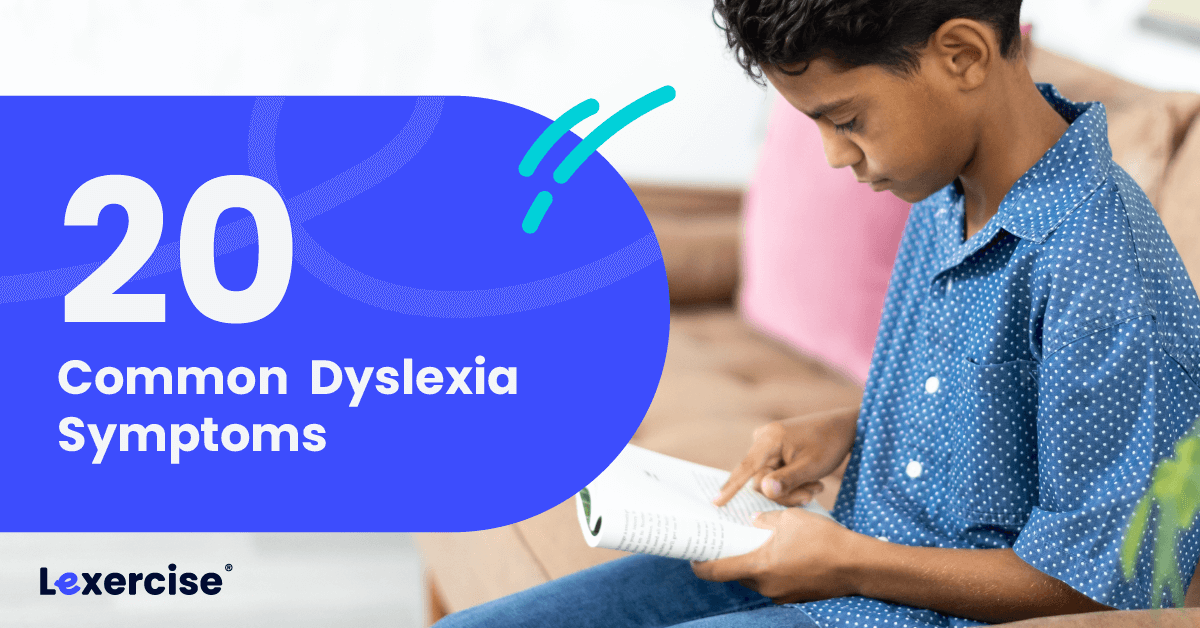
20 Common Dyslexia Symptoms: Symptoms of Dyslexia in Kids
Are you wondering about the most common dyslexia symptoms? Children can begin to show signs of dyslexia as early as the preschool years. While every person with dyslexia is unique, there are common symptoms that can serve as red flags...
 October 2, 2025
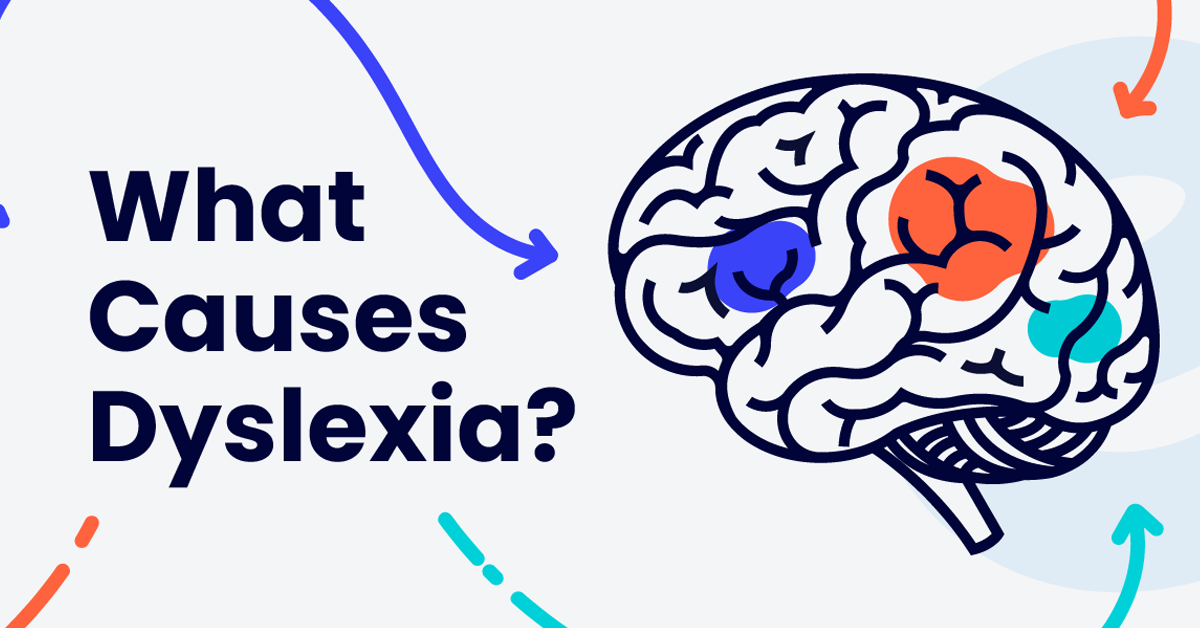
What Causes Dyslexia?
The first sentence of the International Dyslexia Association definition of dyslexia states that dyslexia is “a specific learning disability that is neurobiological in origin….” You can read the IDA’s complete definition of dyslexia on their website...
 November 11th, 2025
DLD and Dyslexia: Navigating Dual Challenges in Learning
Modern life is constantly bombarding us with information. Our ability to process this barrage of information impacts not only education and job success but even our safety, health, and overall well-being. Today's communication challenges are especially daunting for someone with a language processing disorder, like developmental...
October 16, 2025
Unpacking Dyslexia: Are There Really Different “Types” and What Does It All Mean?
Think of dyslexia as a spectrum, with individuals experiencing a unique combination of challenges. These challenges often stem from a core difficulty with phonological processing – the ability to hear, identify, and manipulate the individual sounds…
 June 24, 2026
5 Reasons Why Good Grades Don't Rule Out Dyslexia
Many children with dyslexia earn passing or even strong grades, which is one of the most common reasons dyslexia goes undetected for years. Since children with dyslexia are often bright, resourceful, and highly motivated, they tend to compensate for their reading and writing difficulties in ways that...
March 10, 2026
Dyslexia and Dysgraphia: Same or Different?
Dyslexia and dysgraphia are two distinct learning challenges, though they often get confused. Dyslexia primarily affects reading skills, making it difficult to decode words and understand written text. In contrast, dysgraphia impacts writing abilities, leading to difficulties with handwriting, spelling…
 March 14, 2026
Causes of Reading and Spelling Problems and The Solutions!
What can neuroscience tell us about dyslexia and other language-processing difficulties? How do differences in the brain's wiring help explain the best approach to helping struggling readers, writers, and spellers? This article answers those questions and more.
March 17, 2023
20 Common Dyslexia Symptoms: Symptoms of Dyslexia in Kids
Are you wondering about the most common dyslexia symptoms? Children can begin to show signs of dyslexia as early as the preschool years. While every person with dyslexia is unique, there are common symptoms that can serve as red flags...