
Your Child Deserves to Read with Confidence!
Our science-backed therapy helps most students gain a full grade level in just eight weeks. Proven by research. Delivered by experts. Trusted by thousands of families.

Students make a year of reading gains in only 8 weeks using Lexercise!
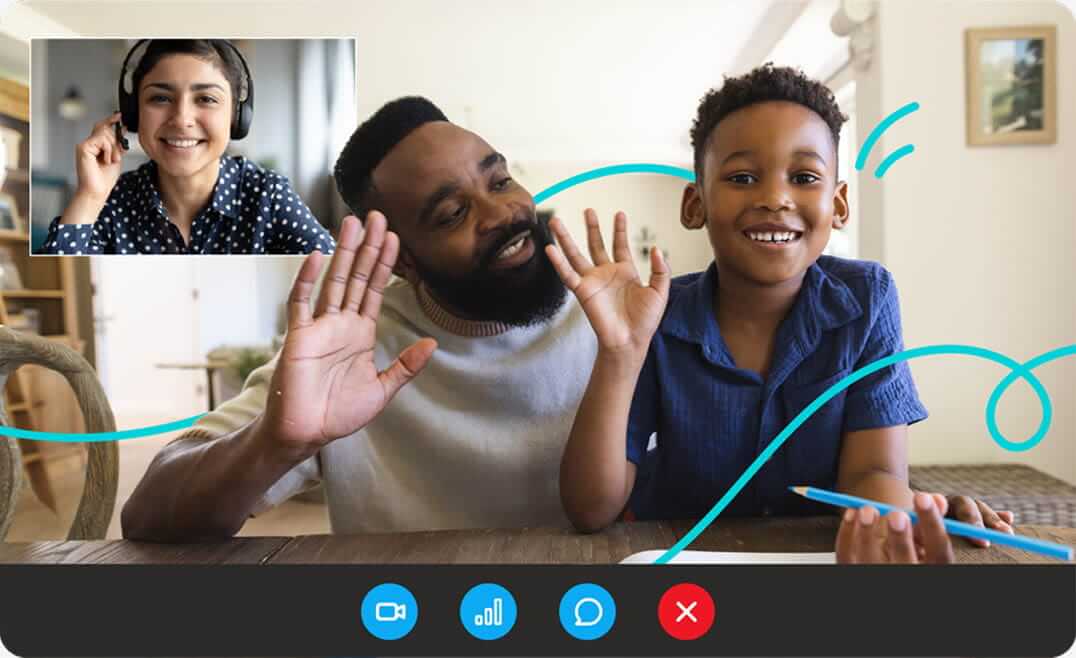
Reading Struggles Don’t Fix Themselves
If your child is falling behind, it’s not their fault, and it’s not yours. But waiting only makes it harder. The right help can change everything. You don’t have to figure it out alone. And you don’t need to guess. Start with a free consultation and take the first step to get your child the help they need.
“I was looking for something based in Orton-Gillingham that was hands-on, fun and something we could use flexibly. Lexercise has become part of our daily routine and has offered reinforcement of skills, structure of language, and practice. My daughter’s teachers have been able to see her progress over time. We are so grateful to Lexercise!”
Yael Mayefsky
Parent of a 2nd grade student

Grounded in Science & Validated by Results
Dyslexia remediation you can measure.
Lexercise accelerates progress by delivering what traditional interventions cannot: consistent, high-repetition, expert-designed instruction at the exact skill level each student needs.
94%
gained a full grade in reading after 8 weeks in Professional Therapy.
1 year
for students 3+ years behind to reach grade level in Professional Therapy.
22 levels
mastered after 25+ therapy hours.
Rooted in Orton-Gillingham principles and the Science of Reading, our approach consistently delivers measurable results, confirmed by multiple third-party studies.
Lexercise Offers Two Powerful Programs to Help Your Child
Parent-Led
Basic Therapy
A self-guided option for families who prefer a parent-led approach. It uses the same proven tools as Professional Therapy, without the weekly sessions. A therapist is still available for guidance and support, and families are equipped to make meaningful progress at their own pace.
"If you’re on the fence, you will not be disappointed!"
Christina G., Basic Therapy Parent
Therapist-Led
Professional Therapy
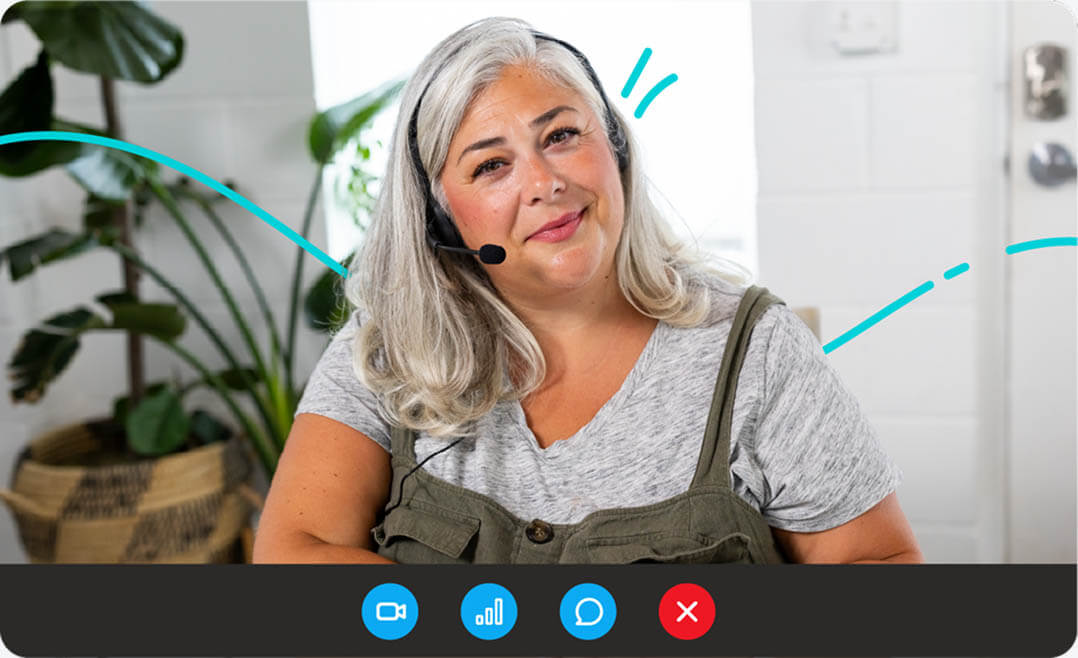
An accelerated program combining weekly one-on-one sessions with a qualified literacy therapist, daily 15-minute game-based practice, custom lesson plans, progress tracking, and parent support.
"It truly is an investment in your child’s future."
Darcy Rowl, Professional Therapy Parent
Find Out Where Your Child Stands
Our diagnostic dyslexia tests help pinpoint your child's skills and needs.

FREE
THE FAST CHECK
FREE Online
Dyslexia Test
Instantly identify signs of dyslexia by participating in an interactive activity you complete with your child or student.
- 10 minutes

THE DEEP DIVE
Reading & Spelling
Inventory
Get a detailed picture of your child’s reading, spelling, and writing skills, and what they need next.
- 45 minutes

THE FULL DIAGNOSTIC
Language Literacy
Evaluation
Receive a full diagnosis and personalized treatment plan, including school accommodation recommendations.
- 90 minutes + 30 minute results consultation
Therapist-Backed, Parent-Approved
Parents come to Lexercise after trying tutors, school programs, and apps, feeling frustrated, confused, and still searching for answers. We change that with a research-backed program that’s engaging, effective, and built to restore your child’s confidence.
Not Sure What Type of Help Your Child Needs?
Start with a free consultation: no pressure, no commitment, and nothing to sign up for unless you’re confident it’s the right next step for your family.



Ready to Bring Lexercise to Your School?
Discover a powerful program for schools that need real reading results.
If you’re a school administrator, teacher, or involved PTA parent, Lexercise for Schools is a research backed intervention designed for the real-world challenges schools face today. We help public, private, and charter schools deliver structured literacy instruction quickly, affordably, and effectively.