Written by Sandie Barrie Blackley, Speech-Language Pathologist
Published on April 1st, 2026
Monitoring a student's progress in mastering foundational reading skills has traditionally been a manual, time-consuming process, often feeling more like a stressful interruption than a source of insight. To monitor progress, teachers have typically used a timer to measure a student's accuracy and fluency in brief reading, writing, and/or spelling tasks. Structured literacy systems are beginning to turn the page on these old, disruptive, cumbersome, and often unreliable curriculum-based assessment methods.
But how, and why, do they work?
Curriculum-based progress monitoring is an essential component of science-backed literacy methods. Progress monitoring data are like GPS for instruction, providing direction for lesson planning and curricular decisions.
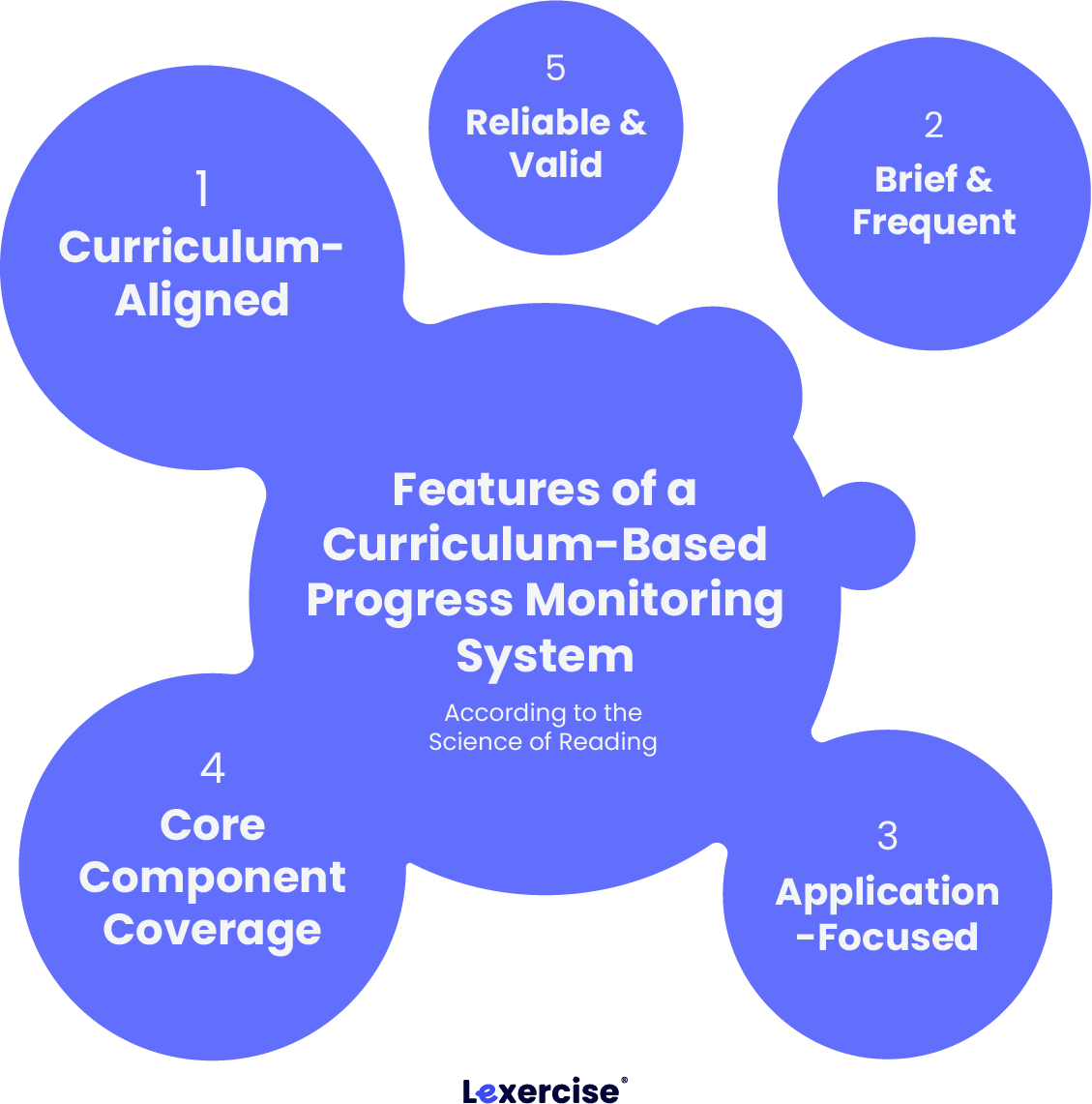
The Science of Reading suggests that curriculum-based progress monitoring systems should have the following features:
The Lexercise Structured Literacy Curriculum™ includes an online practice platform with built-in curriculum-based, stealth progress monitoring. Here is how it works:
In the days following each Lexercise lesson, the student does 15 minutes of daily practice using a variety of the best dyslexia games. Three of the games are specifically designed to assess the student's skills applying lesson concepts to 1) decoding, 2) spelling, and 3) comprehension tasks. The games are automatically delivered as part of the required practice, ensuring brief, frequent, and consistent monitoring. The student is unaware that these three games are assessments, thus reducing potential test anxiety.
Taken together, the three games provide automatic, ongoing monitoring of the Lexercise student's mastery of the five core literacy components: phonemic awareness, phonics, fluency, vocabulary, & comprehension.

Decoding Mastery
In the Decoding Mastery Game, the student hears a lesson-appropriate spoken nonsense word and is asked to select its written form from three choices. Nonsense words are used to ensure that the words are unfamiliar and cannot have been memorized. Research has shown that students' accuracy in this game is highly correlated with their accuracy in the traditional method of assessing decoding, pronouncing nonsense words from print (Barrie-Blackley & Morris, 2023).
Spelling Mastery
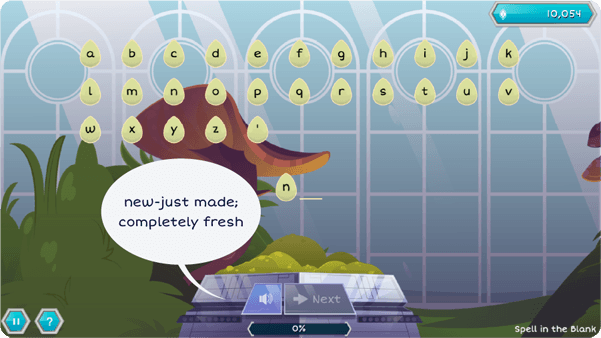
Spelling mastery is assessed by challenging the student to spell the missing letters in a lesson-appropriate word, targeting newly introduced letter-sound associations and spelling patterns. The student hears the spoken word and its definition, and their job is to fill in the missing letters to spell it.

Comprehension Mastery
In this game, the student is challenged to read a short sentence composed of lesson-appropriate words and determine whether it is true or false. As with text-reading fluency, scoring is based on both accuracy and speed (fluency). Sentence-reading fluency exists at the intersection of word-reading fluency and text-reading fluency and is a validated measure of comprehension (Yeatman et al., 2024).
The Mastery Dashboard
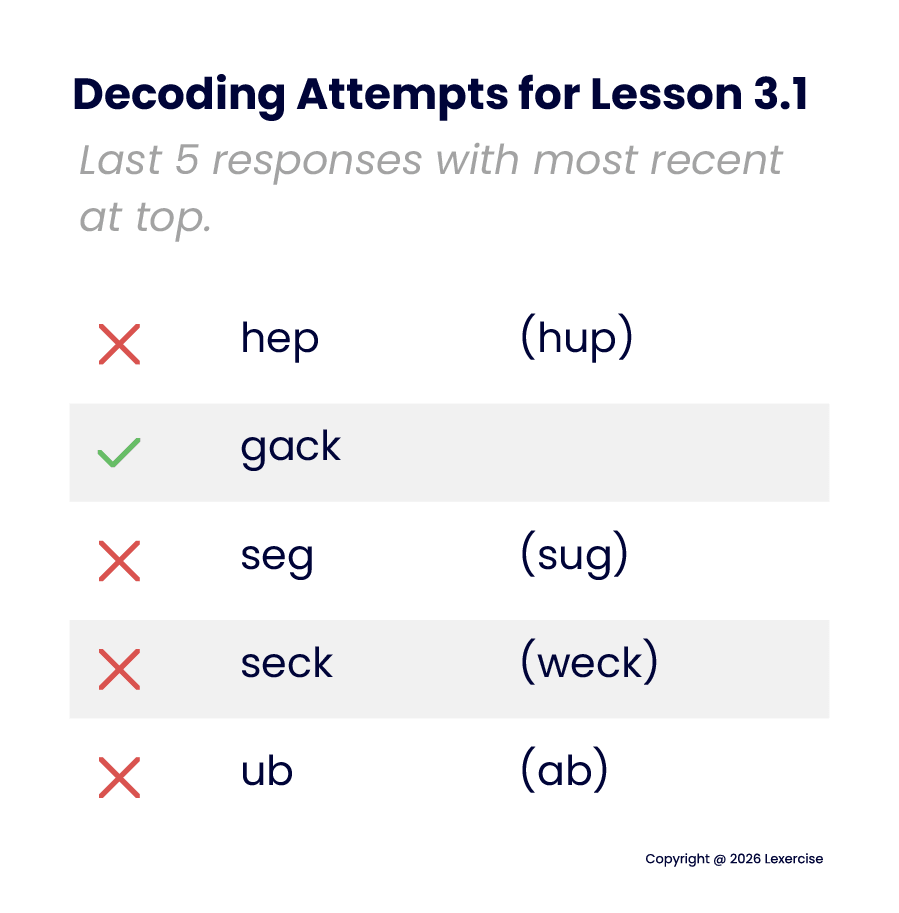
Mastery data can help the parent, teacher, or therapist adjust intervention. For example, the student whose mastery dashboard is shown here has achieved mastery for spelling but is struggling with decoding. An inspection of the student's decoding attempts shows that most of his errors involved vowels. Using this kind of mastery data, the adult can provide targeted help, focusing on the individual student's tripping points.
Play with Purpose
This kind of stealth, technology-assisted progress monitoring turns a time-consuming, stressful, and often unreliable process into a seamless and fun part of a foundational literacy program, providing progress data and insights that can dramatically improve a student's response to intervention.
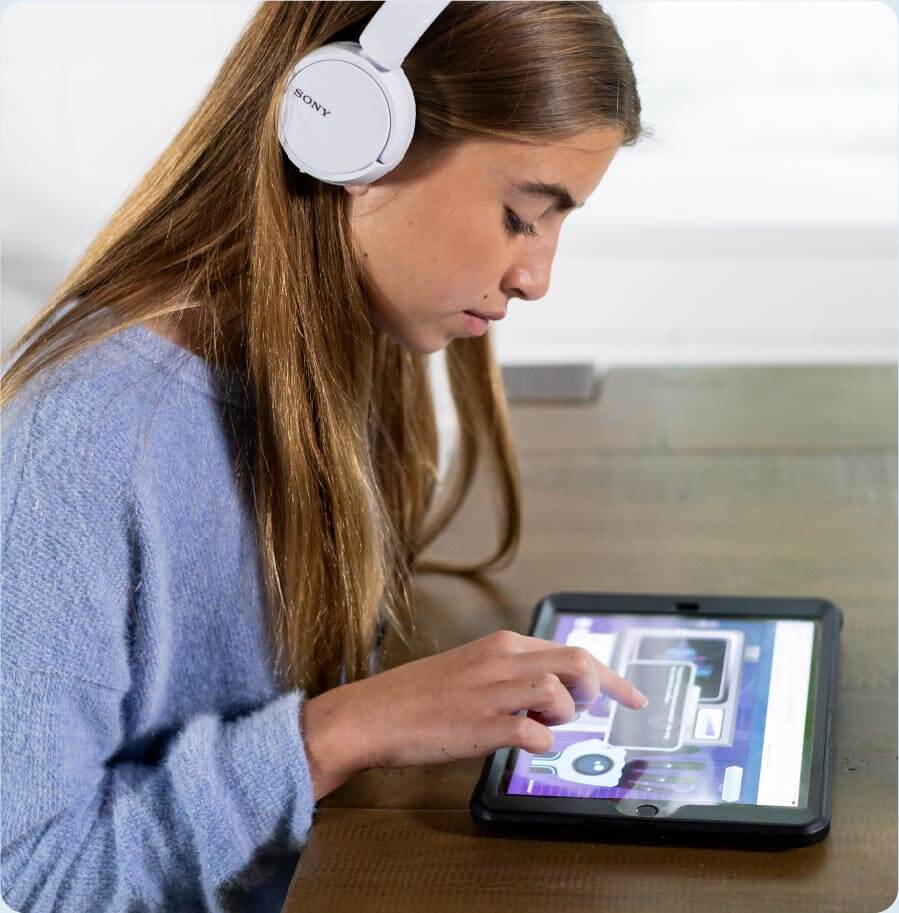
By embedding assessment directly into engaging, structured practice, game-based elements like the Lexercise Mastery System can transform progress monitoring from a time-consuming checkpoint into a continuous source of insight. Students stay focused, educators gain actionable data, and instruction becomes more responsive with every session.
Try Lexercise’s games that improve foundational literacy to support comprehension and discover how Lexercise can help your young readers.
References
Schedule a FREE
15-minute consultation