Written by Sandie Barrie Blackley, Speech-Language Pathologist
Published on February 10th, 2026

Spelling isn't just about writing a word with a correct letter sequence—it's about understanding how language works. Teaching the logic of spelling is one of the most effective ways to help students "crack the code" and build a strong literacy foundation. Recent research suggests that this approach can result in much greater gains: 6 times greater for word reading and 8 times greater for spelling (Chandler et al., 2025).
These gains are possible because a student's spelling errors are like little lights illuminating how their brain has processed a word. Spelling errors pinpoint precise processing breakdowns. After a breakdown is identified, a brief, targeted conversation about it can raise the student's awareness and future generalization.
If you're interested in learning how to super-charge reading and spelling skills, take a moment to learn more about spelling analysis and how to use it.

Spelling analysis is the application of patterns that connect pronunciation, spelling, and meaningful word parts. Spelling analysis is an essential tool in any structured literacy curriculum.
Focusing on patterns that relate speech sounds, spelling, and meaning (base words, prefixes, & suffixes) not only improves spelling but also facilitates reading fluency and vocabulary development.
Unlike spelling tests that prioritize memorizing how words are spelled, spelling analysis focuses on why words are spelled as they are, the logic of English spelling.
Due to this difference, spelling analysis is often considered a more effective and comprehensive approach to teaching spelling. By giving students the tools they need to actually understand the factors that go into spelling, they'll be far more likely to remember how to spell words. Freed from rote memorization, students can use their mental energy on higher-level tasks, like critical thinking for comprehension and written language formulation.
To use spelling analysis, children need to know how the English spelling system works. Using spelling analysis, a curriculum will cover the following elements:
English has 44 speech sounds spelled with 26 letters and letter combinations.
English spelling uses both phonics (how letters represent speech sounds) and morphology (how word parts combine to represent meaning, like how the prefix non- changes the meaning of a word).
However, English prioritizes the consistent spelling of meaningful word parts over their pronunciation. For example, the past tense suffix is pronounced three ways ("d" as in filled; "t" as in backed; "uhd" as in lifted), but it is always spelled -ed-.
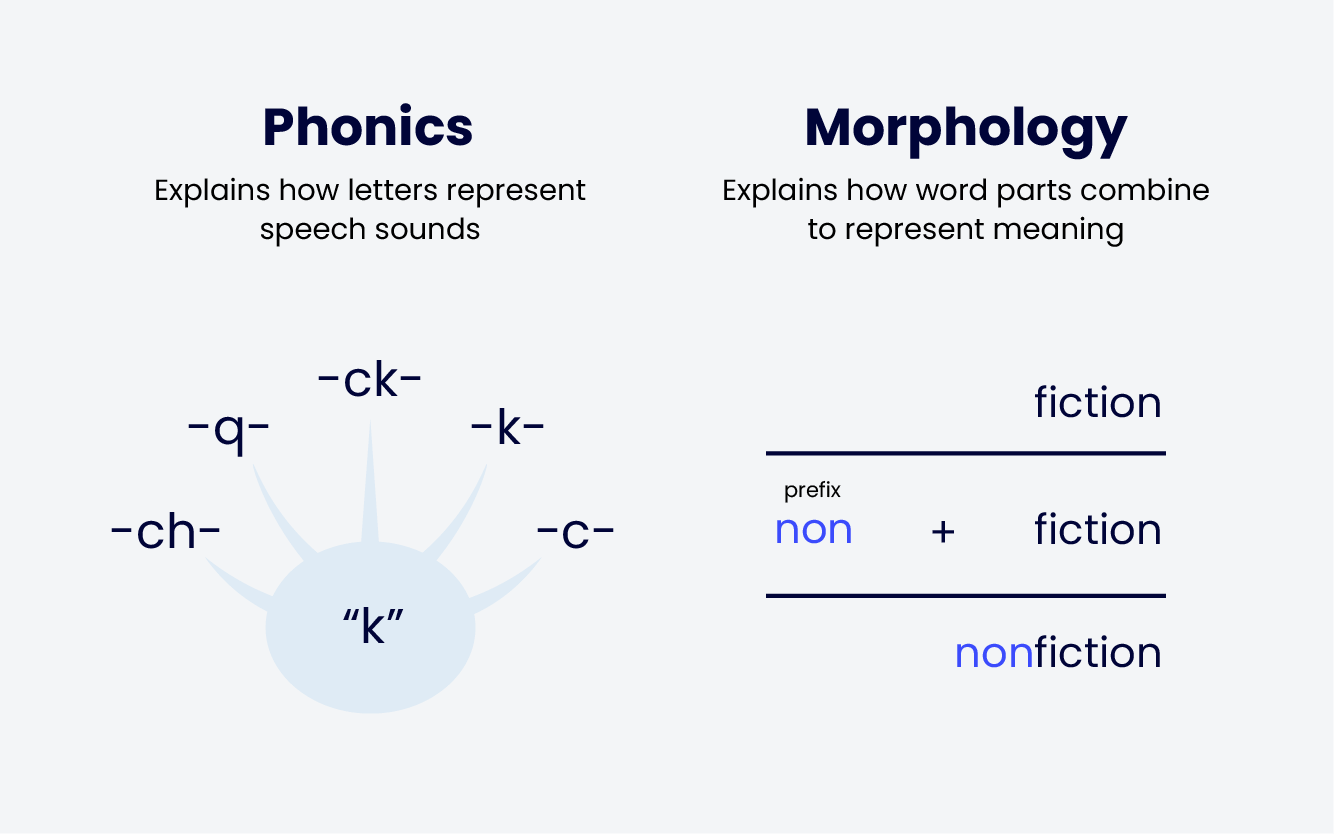
English spelling operates on predictable patterns, but most of the patterns are not obvious.
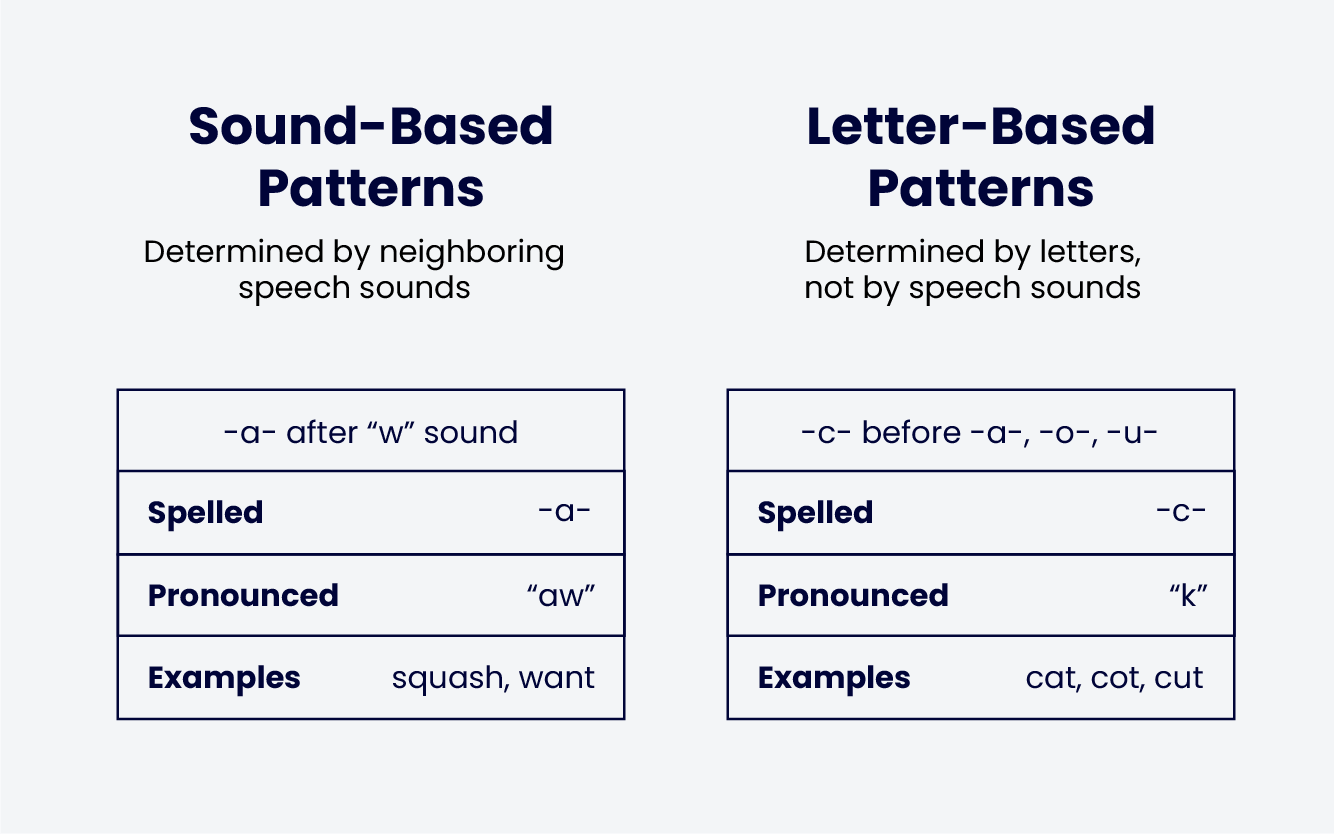
There are sound-based patterns, such as the pattern that predicts that -a- will be pronounced "aw" when it comes after the "w" sound (as in want and squash).
In contrast, there are letter-based patterns, such as the pattern that predicts that the consonant sound "k" will be spelled -c- when it comes before the letters -a-, -o-, or -u- (as in cat, cot, and cut). Likewise, there's a pattern that predicts when the -e- will be dropped when adding a suffix that starts with a vowel (as in make + -ing = making).
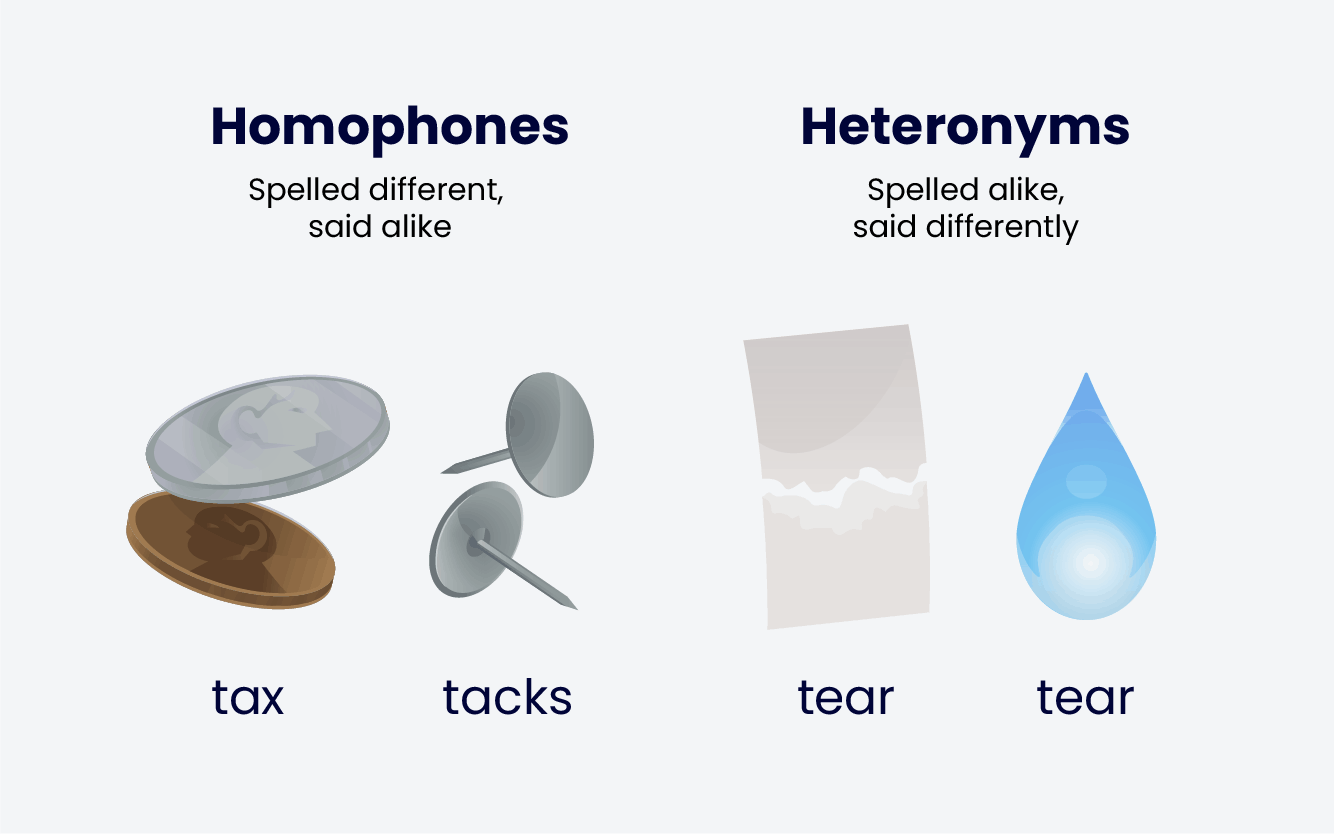
English has a lot of homophones, words that are pronounced alike but have different meanings (as in tax & tacks; meet & meat; which & witch; to, too & two).
English also has a number of heteronyms, words that are spelled alike but have different pronunciations and meanings (such as tear meaning "rip" and tear meaning "liquid from the eye").
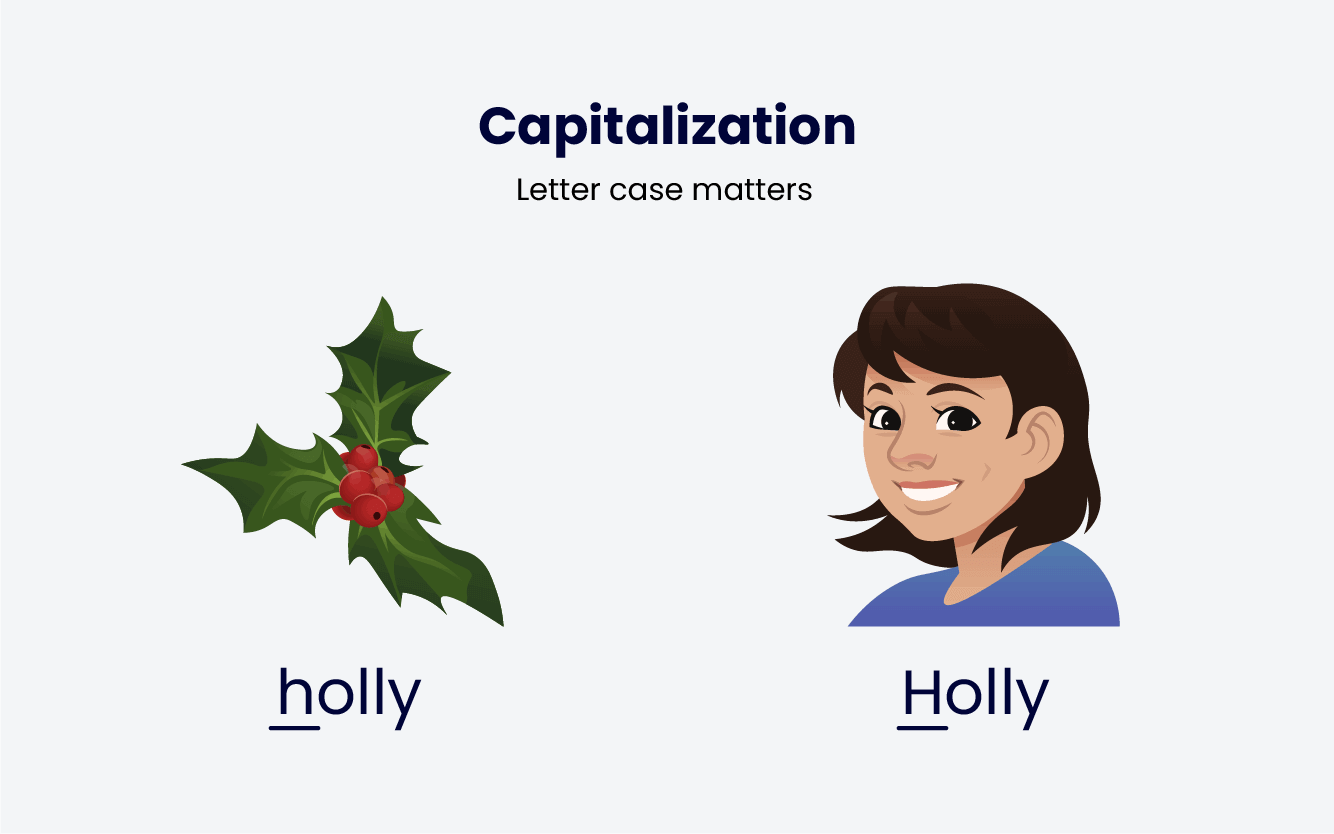
Letter case is part of spelling, so capitalization matters (as in holly & Holly; china & China).
Socratic dialogue is a cooperative, question-based discussion method that uses collaborative reasoning and critical thinking to develop knowledge. Using Socratic dialogue alongside spelling analysis can be a powerful way to raise students' awareness of spelling patterns, stimulate their curiosity, and improve their attention, memory, and executive function, facilitating generalization to different words and contexts. In this context, Socratic dialogue is a type of elaboration, a scientifically supported approach for knowledge-building. (See Wexler, 2026.)
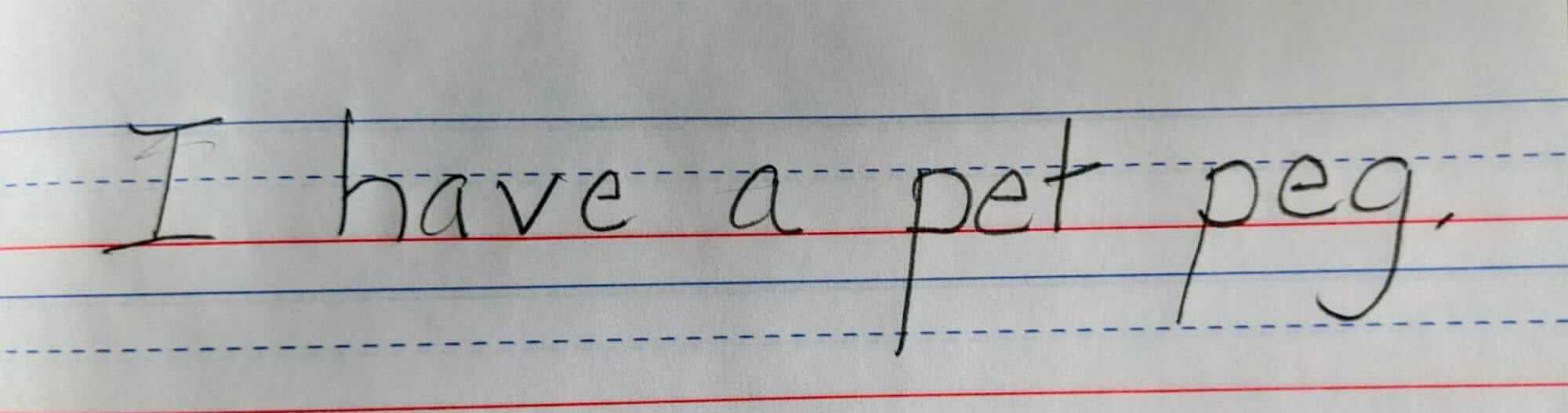
In the example illustrated above, a student misspelled the word pig as -peg-.
Step 1. Spelling Analysis : The adult analyzes the error: Spelling the vowel sound, "ih", with an -e- suggests letter-sound confusion.
Step 2. Socratic Dialogue : The adult initiates a conversation to clarify the reason for the confusion. For example, the adult might say, "One letter-sound is spelled wrong. Let me hear you isolate the three sounds in the word pig.
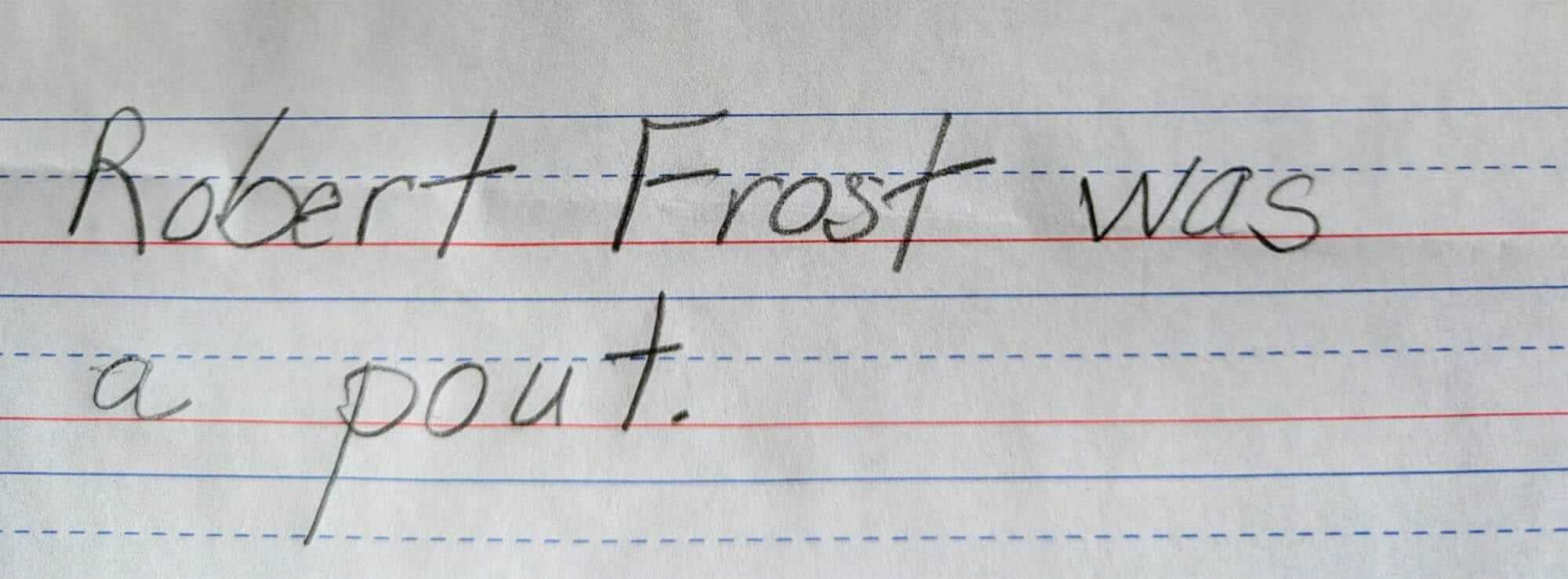
In this example, a student has misspelled the word poet as -pout-.
Step 1. Spelling Analysis : The adult analyzes the most likely reason for the error: Spelling the second vowel in poet with a -u- suggests the student is spelling the word exactly as it sounds, "poh-uht", over-extending phonics, rather than recognizing that the second syllable is unstressed, with a weak and mushy (schwa) vowel sound.
Step 2. Socratic Dialogue : The adult initiates a conversation to discuss the cause of the error.
Spelling analysis is just one example of the application of the science of reading. The Lexercise Structured Literacy Curriculum™ puts the science of reading's most powerful tools directly in your hands, without expensive training or costly materials. It is available in different formats, designed for parents and schools. If you'd like to learn more about structured literacy methods, schedule a call with one of our literacy specialists. And if you are looking for continuing education in the science of reading, check out our Professional Education Courses.
Chandler, B. W., Toste, J. R., Novelli, C., Rodgers, D. B., & Hardeman, E. (2025). A Meta-Analytic Review of Spelling Interventions for Students With or At-Risk for Learning Disabilities. Journal of learning disabilities, 222194251364836. Advance online publication. https://doi.org/10.1177/00222194251364836
Reed, D. K. (2012). Why teach spelling? Portsmouth, NH: RMC Research Corporation, Center on Instruction.
Wexler, N. (2026, January 4). Don't Forget to Elaborate. Minding the Gap. https://nataliewexler.substack.com/p/dont-forget-to-elaborate
Schedule a FREE
15-minute consultation